Andy Burnham has been shrewd.
In his first months as Prime Minister, he has avoided the mistake that defined Gordon Brown’s early premiership, who in 2007 let speculation about a snap election run until it became a question mark over his judgement.
By repeatedly ruling out an early vote, Burnham has instead bought the space to introduce himself to the public and to put clear red water between Labour, the Conservatives and Reform.
The recent Budget deferred the hardest choices to next year’s Spending Review, which has bought him more space and time.
But why?
Burnham has been unafraid to raise the political stakes, and a steady-as-she-goes approach to policy gives him room to make his case. He teased a ten-year plan at Labour’s Autumn Conference and suddenly re-ignited the Brexit debate shortly afterwards, and all of that needs time to sell to the electorate.
The other part is the one few say aloud, and the one that should matter most to businesses. Downing Street advisers and some Labour MPs are reported to want a fresh mandate to deliver the changes Burnham wants, free of the 2024 manifesto’s red lines on tax, the fiscal rules, the customs union and the single market.
Burnham has ruled it out, and Number 10 insists the decision is his alone. But Theresa May ruled out an early election too, until she didn’t.
Those advising the Prime Minister to go early will be pointing to these four things to make their case:
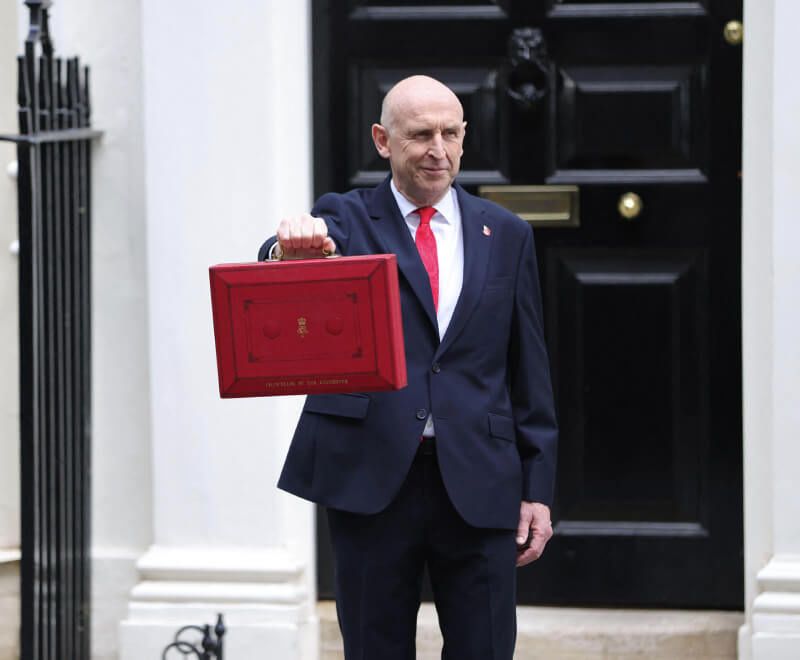
- The Government has just promised £100 to 20 million households. The Budget was a low-key affair, with welfare and defence decisions deferred to the Spending Review, but it contained one eye-catching policy. Tens of millions of lower-income households will see a £100 boost over the winter, just as the energy price cap rise begins to bite. Importantly, this isn’t a tax cut worth £100; this is a payment from the Government directly into the bank accounts of voters. That’s clever electoral politics aimed at people who do not follow Westminster day to day.
- The economy is turning a corner, slowly. The OBR raised its 2026 growth forecast to 1.2%, and the market reaction to the Budget was positive. This is not a boom, but it is a direction of travel Labour can campaign on. With the hardest spending choices pushed into 2027 and fiscal headroom down to £15bn, a snap election lets Burnham campaign before difficult decisions have to be taken and sold to the country. However, geopolitical events could knock Burnham off course, and with inflation stubbornly high, there is the small matter of multiple interest rate rises next year to contend with.
- Labour are united, for once. The wider Labour party left Liverpool jubilant, and the members I spoke to described the speech as the best since Blair. After years of fractious internal politics, this kind of unity is rare for the Labour movement.
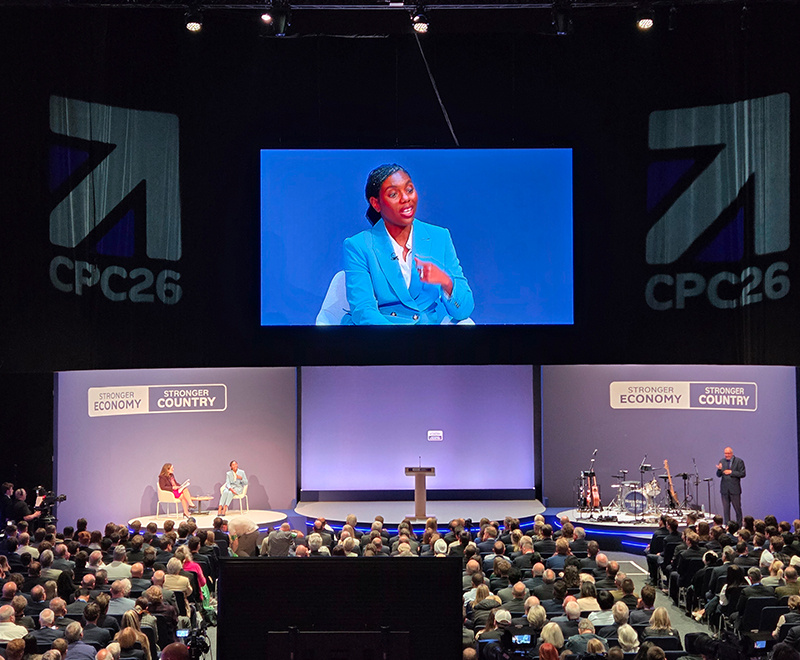
- Labour could win big with Europe. The latest YouGov MRP gives the Conservatives 130 seats and Reform 123, so the two parties are hunting in the same forest. And while progressive supporters are united on the desire to rejoin the EU, the Conservative Party knows that some of its core voter base in affluent southern England could be tempted by an EU Rejoin referendum.
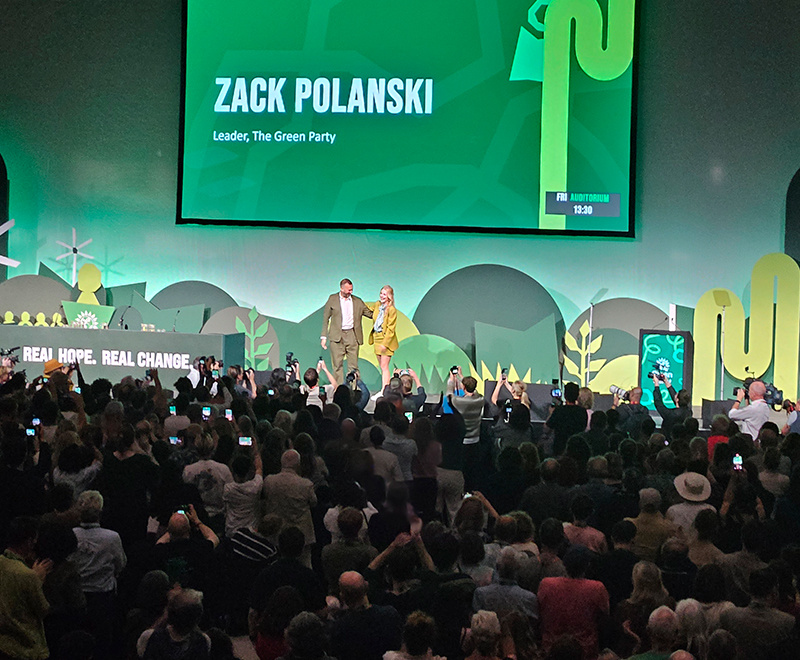
Meanwhile, Europe is the ideological glue for the liberal-left. Labour, the Liberal Democrats, the Greens and the SNP disagree on tax, public ownership and the constitution, yet supporters of Labour, the Lib Dems and the Greens back closer ties with the EU by overwhelming margins. If Burnham can hold that coalition together, he can build a governing majority, whether outright or through confidence and supply or coalition.
Should businesses prepare for an election in the last few months of this year? Some will be arguing that Burnham should seize the moment and go now. I think the Budget’s limited decisions and an undelivered and uncommunicated ten-year plan mean he needs more time to build his pitch, and Europe is the clearest gap.
Voters and business have grown sceptical of what Brexit promised, but they need a case built on trade and economic integration rather than sentiment. Brussels will not negotiate on a promise made mid-campaign, so quiet groundwork with the Commission and key governments must begin before any manifesto commits Britain to terms.
There are signs that Burnham and EU leaders are moving in this direction already, with November’s deal that removes checks on food and animal products setting the tone for the UK-EU Summit later in the month. Freedom of movement is reportedly seriously back on the table, officially in the guise of youth visas, but figures on both sides of the Channel know that this could serve as the diplomatic putty for a significant reintegration of the UK with the EU.
If Burnham chooses to go early, the first half of 2027 is the better bet. It gives him the winter to build public support for his plans and begin negotiations with the EU.
Ultimately, however, Burnham is unlikely to call an election without a continued bounce in the polls. Some polls are showing Labour consistently in the low 30s, but unless that is sustained, Number 10 are unlikely to be moved.
Businesses should start preparing now for a snap election, and begin to explore how changing UK-EU relations could affect them. Get in touch to hear more about how Pagefield can support your business.