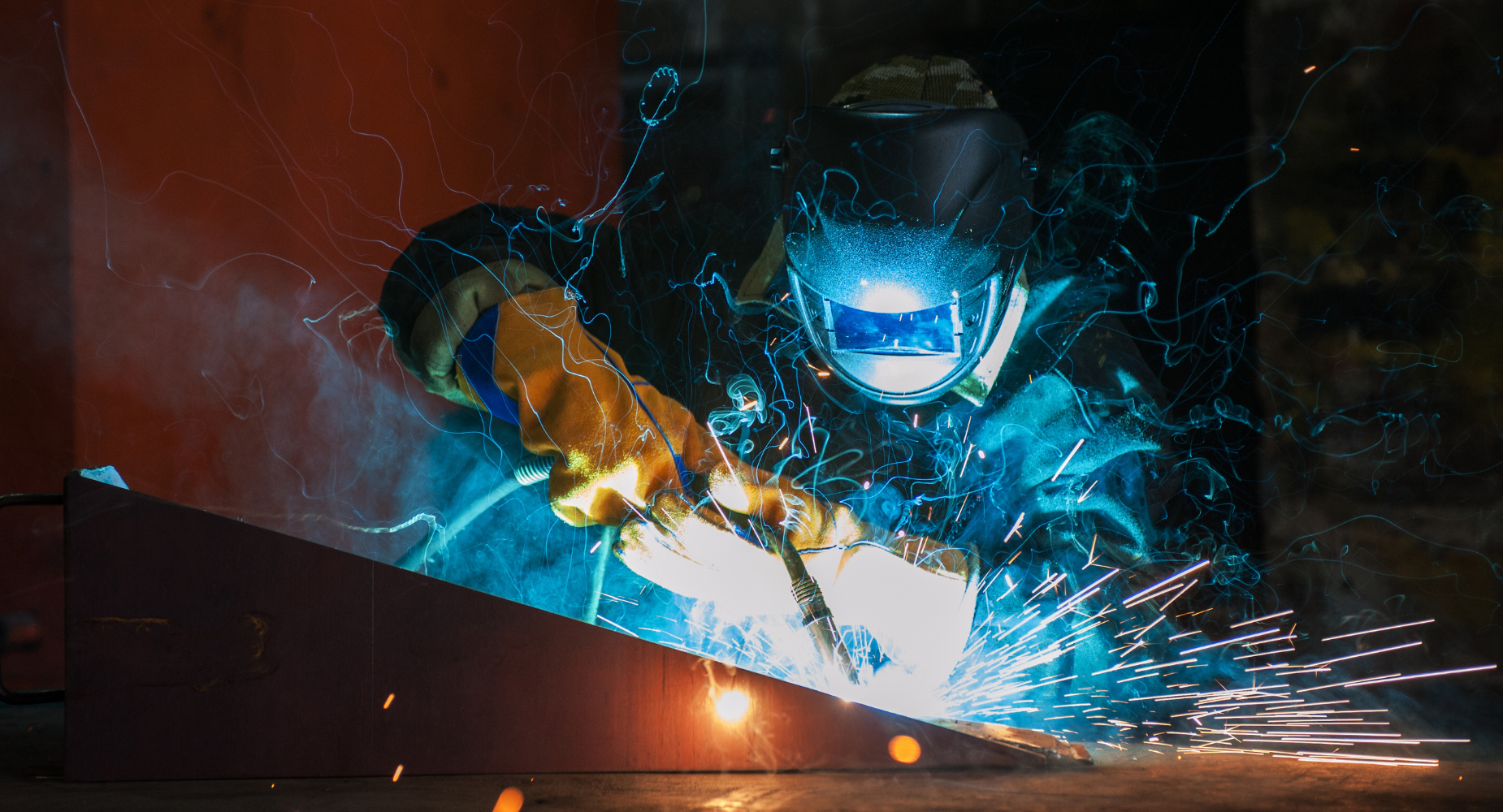
Last week the Government made an important announcement on its trade and industrial policy for the producers and users of steel. It published its final plans for import tariffs and quotas for overseas steel coming into the UK.
Steel is a critical product for many manufacturing processes, so the ramifications of this decision go far beyond the UK steel industry itself. And there are wider lessons still for the Government’s approach to trade and business ahead of a new PM, almost certainly Andy Burnham, taking over shortly.
The essence of the decision is to make it more expensive to import steel into this country. Tariffs are increased and quotas exempt from tariffs reduced. Imports from “friendly” countries – for instance with whom the UK has trade agreements – are covered just like imports from eg China, at whom the policy is really directed.
There are a number of reasons to be concerned about the policy direction represented by this decision. The first – and this is not the fault of the UK Government – is that it has been triggered by the increasing fragmentation of international markets. The US started the ball rolling, with Trump’s tariffs; The EU then decided to follow suit, with potentially devastating effects on UK exporters of steel. The UK Government was left in the unenviable position of having either to play catch up or see even greater pressure on its own industry.
All the studies carried out into the effects of these beggar-my-neighbour policies show that they harm the economy of the state which implements them. That’s because there are far more industries which use steel than produce it, and far more people employed in those industries whose jobs may be lost than the jobs saved in the steel industry. It’s just that they are widely dispersed rather than concentrated in one sector or geography, so not so politically salient.
In addition, these unilateral measures undermine confidence in countries’ commitments to international agreements more widely. The UK’s (and EU’s) free trade agreements with other countries don’t allow for this sort of action and countries have reacted angrily to their provisions being ignored. This has a longer term impact on the international relations which are essential for growth at home. It’s one of the issues which has held up implementation of the UK’s trade agreement with India, whose benefits go far beyond the steel sector.
Of course, it’s understandable that the Government should be concerned at the further deterioration of our steel industry. We do need various types of steel for our security, although we will always be reliant on steel imports into the UK, and indeed the raw materials and components required to manufacture steel. Whether these measures will really revive steelmaking in the UK remains to be seen. The wider risk, again stimulated by the US and the EU rather than homegrown in the UK, is that this sort of action spreads across the economy – for instance to cars, where Europe is adopting an increasingly protectionist tone, and other goods.
What’s the answer? What policies should a Burnham Government be adopting?
First, Government needs to be honest that these policies carry a cost, and to explain – if they are needed in extreme cases – why they are justified and how we are going to find ways to exit them over time; second, and part of the same calculus, to be hard headed about the cases in which you will intervene, and their rationale. They can’t be an excuse for preserving industries in aspic when the future, realistically, lies elsewhere. In addition, think about the types of policy instrument available to you: for instance in the case of the ceramics industry, the Government recently provided an investment support package. Inherently, that is a better way of providing support. It helps modernise an industry and it doesn’t penalise consumers or users. Of course it costs public money, and carries risks of its own. But tariffs are also taxes which cost all of us, just not in such an obvious way.
As a new PM takes power, we should be looking to see how far the new Government faces up to the trade offs inherent in this type of policy across the economy. Will they take the hard decisions for the long term rather than being tempted to protect uncompetitive businesses for political gain; and will they recognise the importance of acting in the interests of the economy as a whole, not just narrow sections of it?